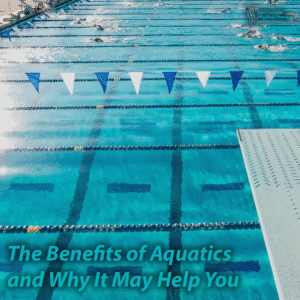
Aquatic therapy, sometimes called water therapy, uses the physical properties of water to help people move in a way that can reduce stress on their joints and make certain exercises more comfortable. For people dealing with pain, stiffness, or a previous injury, exercising in water can be a great way to stay active while reducing some of the impact that comes with exercising on land. Aquatic therapy can also be used as part of a physical therapy program or as a transition toward returning to regular exercise.
One of the biggest benefits of exercising in water is buoyancy. The water supports part of your body weight, which can make movements feel easier and place less stress on your joints. This can be especially helpful for people who have difficulty performing certain exercises on land because of pain or limited mobility. Water can provide resistance as well, allowing you to strengthen your muscles while performing controlled movements without needing traditional weights.
Many people are encouraged to continue exercising after completing physical therapy to maintain the strength and mobility they have built during their recovery. Building the muscles surrounding an injured or painful area can help support your joints and make everyday activities easier. Aquatic exercise can be one option for people who want to continue strengthening but may not be comfortable immediately returning to high-impact activities or traditional weightlifting.
Locally, there are many YMCA facilities throughout the St. Louis area and surrounding communities that offer access to pools. A YMCA membership may provide access to more than just the pool, including fitness centers, tracks, basketball courts, and other recreational facilities. This can give you several options for staying active as you continue your recovery journey. Keep in mind that membership requirements and available facilities vary by location.
Depending on your insurance plan and the type of aquatic therapy being provided, some insurance plans may cover aquatic therapy or physical therapy services, while others may have specific requirements or limitations. It is always a good idea to check directly with your insurance provider to understand your individual benefits and coverage.
At Specialized Physical Therapy, we want to help you find ways to stay active while working within your body’s current abilities. Whether you’re recovering from an injury, dealing with recurring pain, or looking for a lower-impact way to exercise, aquatic therapy may be an option worth discussing with your physical therapist. Contact Specialized Physical Therapy today to learn more about aquatic therapy and how it may fit into your recovery plan.