
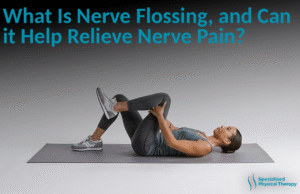
Nerve pain can be uncomfortable and sometimes interfere with everyday activities. Whether you experience tingling, numbness, or pain that travels through your arms or legs, finding ways to manage these symptoms can make a big difference in your daily life. One physical therapy technique that may help improve nerve mobility and reduce certain nerve-related symptoms is called nerve flossing.
What Is Nerve Flossing?
A lot of people are unfamiliar with the term nerve flossing and what it involves. Nerve flossing, also known as nerve gliding, is a gentle physical therapy technique that uses controlled movements to help a nerve move more freely through its surrounding tissues, muscles, and pathways. When a nerve becomes irritated or restricted in its movement, it can contribute to symptoms such as pain, numbness, tingling, and discomfort. People often look to nerve flossing as a way to address nerve-related symptoms through movement and physical therapy rather than relying solely on over-the-counter or prescription medications to manage discomfort. These exercises are designed to encourage proper nerve movement and can be incorporated into a personalized treatment plan depending on the patient’s condition and symptoms.
What Does Nerve Flossing Look Like?
Nerve flossing involves a series of synchronized and controlled body movements. There are different nerve flossing techniques depending on which area of the body is experiencing symptoms. For example, a movement designed to encourage sciatic nerve mobility may involve extending your leg while sitting and simultaneously tilting your head back to look toward the ceiling. These coordinated movements help encourage the nerve to glide through the surrounding tissues. Other nerve gliding exercises may target the nerves in your arms, wrists, and elbows. The specific movements will depend on which nerve is being addressed and where symptoms are occurring. A physical therapist can help determine which exercises are appropriate and demonstrate how to perform them correctly.
Can Nerve Flossing Help Relieve Nerve Pain?
Yes, nerve flossing may help relieve certain symptoms associated with nerve irritation and restricted nerve mobility. Some common conditions where nerve gliding exercises may be incorporated into physical therapy include sciatica, carpal tunnel syndrome, cubital tunnel syndrome, and certain pinched nerves. Depending on the underlying condition, patients may experience improvements in symptoms such as numbness, tingling, discomfort, and limited range of motion. However, results can vary from person to person. While some individuals may notice improvements relatively quickly, achieving longer-term benefits often requires consistently performing the recommended exercises over several weeks. Proper technique is also important to avoid irritating the nerve further.
Why Is Proper Technique Important?
Although nerve flossing is generally considered a gentle technique, performing the movements incorrectly or too aggressively can potentially increase nerve irritation. These exercises should not be forced, and they should be performed with controlled movements based on your individual needs. Working with a physical therapist can help you identify which nerves may be contributing to your symptoms and determine whether nerve flossing is an appropriate treatment option. Your therapist can also guide you through the exercises, monitor your progress, and adjust your treatment plan as needed.
At Specialized Physical Therapy, we understand that nerve-related discomfort can affect your ability to move comfortably and enjoy everyday activities. Our goal is to help you improve mobility, manage discomfort, and get BACK on track with a treatment approach tailored to your needs. If you’re experiencing persistent numbness, tingling, or radiating pain, physical therapy may be a helpful step toward finding relief.